Download the GoTyme Bank app
Switch to a beautiful banking experience today.
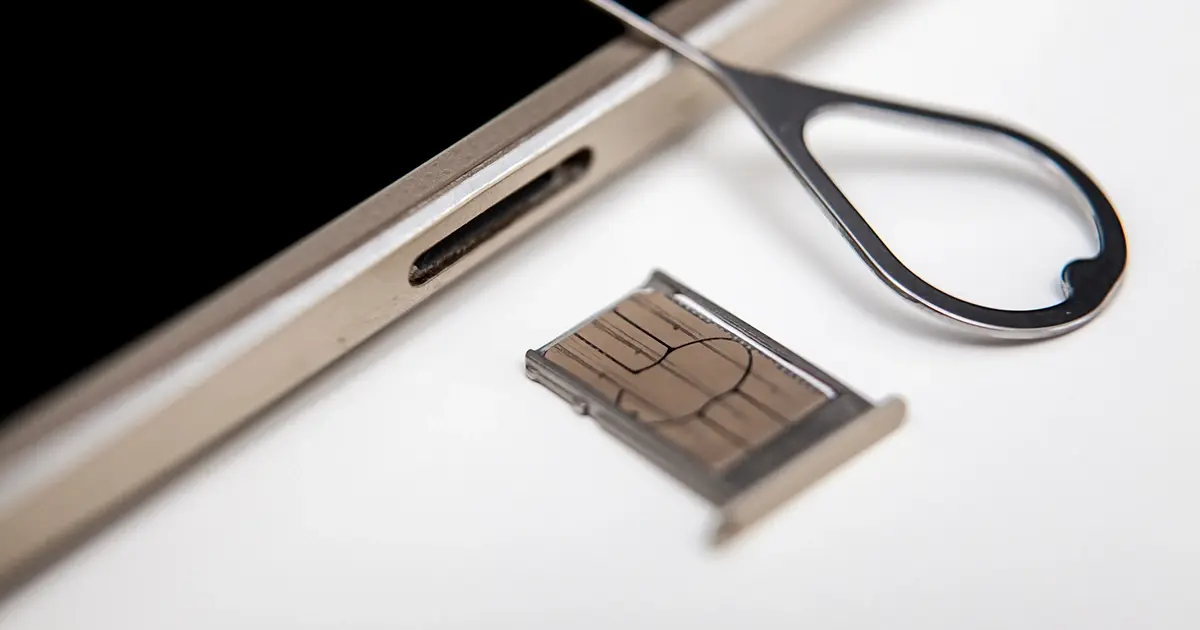
Your cellphone number does more than make calls, receive messages and WhatsApp chats. It is also a gateway to bank accounts, account recovery and the one-time PINs (OTP) used to verify sensitive activity. That makes it valuable to criminals.
SIM swap fraud happens when a fraudster gets your mobile number transferred to a SIM card they control. Your phone may suddenly lose signal while calls and messages meant for you start going somewhere else. And once someone else controls your number, the consequences can extend far beyond your phone.
"A SIM swap isn't necessarily about taking over your phone. The real danger is what your mobile number may give a fraudster access to once they control it," explains Bonolo Sebolai, Head of Fraud at GoTyme Bank.
"Your number can sit within a much bigger security chain. If it is compromised, OTPs, account recovery messages and other communications intended for you could potentially end up in the wrong hands."
SIM swapping doesn't usually begin with someone hacking your phone. In many cases, a fraudster has already collected information about you through phishing, vishing, social media, a data leak or another source. They then use that information to impersonate you to get through the verification steps required to replace your SIM.
If they succeed, your SIM may stop connecting to the mobile network and your number becomes active on a SIM card controlled by the criminal. Calls and SMSs intended for you are then redirected to them.
This is why fraud prevention must extend beyond banking systems. In some cases, the vulnerability isn't with the bank at all.
A SIM swap does not automatically mean your bank account has been compromised. But an unexpected change in your mobile service is something worth paying attention to.
Possible warning signs include:
If something feels unusual, it's worth checking sooner rather than later.
If you suspect an unauthorised SIM swap:
The important thing to remember is that having your physical phone in your possession doesn't necessarily mean your number is safe.
SIM swaps can form part of wider social-engineering scams. "Vishing, which involves criminals impersonating trusted organisations over the phone, is currently one of the biggest drivers of fraud losses. Control of someone's mobile number can make those impersonation and account-takeover attempts even more effective," highlights Sebolai.
If someone unexpectedly calls claiming to be from your bank and asks for passwords, PINs, OTPs or other sensitive information, end the call. Then contact your bank yourself using an official channel.
GoTyme Bank uses 24/7 fraud monitoring, combining technology that makes real-time risk decisions with specialist teams that can step in when unusual activity is detected.
At times, these security measures introduce additional steps in your banking. Extra verification or a flagged transaction can feel inconvenient when you're trying to make a payment, but these checks are designed to protect customers when something does not look right.
"There has to be a balance between convenience and security," says Sebolai. "An extra check may feel inconvenient in the moment, but it can also be what prevents a fraudster from gaining access to your money," he concludes.
So, if your phone unexpectedly goes quiet, don't simply wait for the bars to come back.
Contact your network and your bank through official channels. Acting quickly can be the difference between a brief disruption and a much more serious financial loss.